Dry Eye in Dogs: Understanding Keratoconjunctivitis Sicca
A healthy tear film does more than keep your dog’s eyes moist, it protects the surface of the eye, clears away debris, and helps prevent infection. When tear production drops, the eye quickly becomes irritated and inflamed. This condition, called keratoconjunctivitis sicca (KCS) or dry eye, is a common eye disorder in dogs that requires prompt veterinary care.
At At Home Animal Clinic in Stillwater, MN, our veterinary team diagnoses and manages dry eye to help pets stay comfortable and protect their long-term vision. With early treatment and consistent care, many dogs with KCS can maintain healthy, functional eyes.
What Is Keratoconjunctivitis Sicca?
Keratoconjunctivitis sicca occurs when the eye does not produce enough tears to keep the cornea and surrounding tissues properly lubricated. Tears contain several important components, including a watery layer that washes away irritants and supports the health of the eye’s surface.
When this tear production decreases, the eyes lose their natural defense system. The surface of the eye can become dry, inflamed, and vulnerable to infection or injury. Over time, untreated dry eye may lead to scarring, pigment changes on the cornea, or vision problems. Dry eye is seen most often in dogs and is relatively uncommon in cats.
Why Dry Eye Develops in Dogs
In many cases, dry eye develops because the immune system attacks the tear glands, leading to inflammation and reduced tear production. Over time, this damage prevents the glands from producing the normal watery component of tears. Dry eye affects an estimated 1–2% of dogs in North America, making it one of the more frequently diagnosed eye conditions in canine patients.
Certain dogs have a higher risk due to breed tendencies. Breeds commonly affected include:
- Cocker Spaniels
- English Bulldogs
- Shih Tzus
- Lhasa Apsos
- West Highland White Terriers
- Schnauzers
- Pugs
- Cavalier King Charles Spaniels
Dogs that previously experienced cherry eye, a prolapse of the gland of the third eyelid, may also develop reduced tear production later in life. Breeds with prominent or protruding eyes, which are often referred to as brachycephalic breeds, may show more severe irritation because their eyes are more exposed to the environment.
Signs of Dry Eye in Pets
When tear production declines, the eye’s surface becomes irritated and inflamed. Pet owners may notice several changes in their dog’s eyes or behavior.
Common symptoms of keratoconjunctivitis sicca include:
- Squinting or keeping the eyes partially closed
- Frequent pawing or rubbing at the face
- Redness in the whites of the eyes
- Thick yellow or green discharge around the eyelids
- Eyes that appear dry or dull rather than glossy
- Recurrent eye infections or conjunctivitis
- Visible blood vessels across the eye surface
- Dark pigmentation forming on the cornea
As the condition progresses, some dogs may also develop corneal ulcers, which can be painful and require additional treatment. If your pet develops persistent eye discharge or redness, it is important to schedule a veterinary exam promptly.
How Veterinarians Diagnose Dry Eye
Veterinarians often suspect dry eye based on a dog’s symptoms and findings during a physical examination. Thick eye discharge, a dull corneal surface, or evidence of inflammation may raise concerns for KCS. To confirm the diagnosis, veterinarians perform a Schirmer tear test, which measures tear production. During this simple test, a small strip of paper is placed inside the lower eyelid for one minute to collect tears.
Healthy dogs typically produce a higher tear volume than dogs with KCS. Dogs that produce less than 10 millimeters of moisture on the test strip in one minute generally have insufficient tear production. Because tear levels can fluctuate, veterinarians may repeat the test during follow-up visits to monitor progress. A full eye examination also helps rule out other causes of discharge, irritation, or corneal disease.
Treatment Options for Keratoconjunctivitis Sicca
Managing dry eye focuses on restoring tear production when possible and protecting the surface of the eye.
Medications That Stimulate Tear Production
Many cases of KCS respond well to medications that regulate the immune response and encourage the tear glands to function again. Common medications include:
- Cyclosporine ophthalmic ointment
- Tacrolimus ophthalmic solution
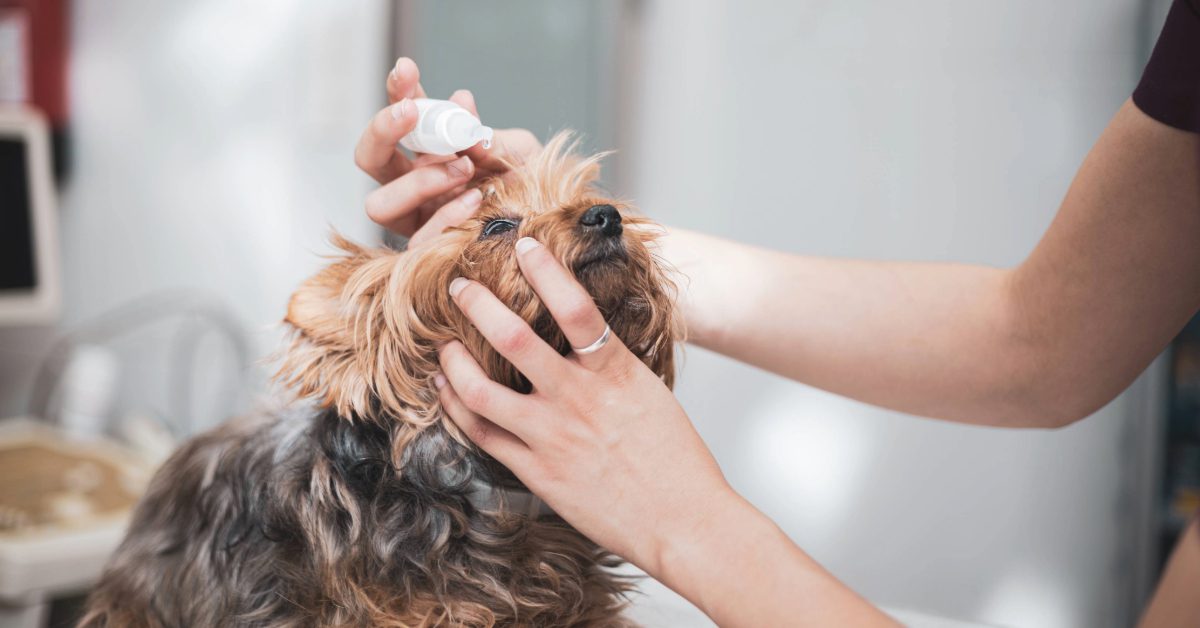
These medications help reduce inflammation in the tear glands and stimulate the production of natural tears. They are typically applied one to three times daily and often remain part of a dog’s long-term care routine. Some pets begin to show improvement within three to four weeks, although full response may take several months.
Lubricating Eye Treatments
Artificial tear products and lubricating gels help protect the cornea and keep the eye comfortable while natural tear production improves. These products may be used alongside tear-stimulating medications to:
- Maintain moisture on the eye’s surface
- Reduce irritation
- Support healing of inflamed tissues
Treatment for Secondary Eye Problems
Dogs with dry eye may develop complications such as infections or corneal ulcers. In these cases, veterinarians may prescribe additional treatments, including:
- Antibiotic eye ointments
- Anti-inflammatory medications
- Protective eye lubricants
Treating these secondary issues is important to prevent further damage to the eye.
Long-Term Outlook for Dogs With Dry Eye
Keratoconjunctivitis sicca is considered a chronic condition, which means it typically requires lifelong management rather than a one-time treatment. Dogs that respond well to tear-stimulating medications often maintain good eye health with consistent care. Regular follow-up visits allow veterinarians to measure tear production, monitor the cornea, and adjust medications if needed. Pet owners also play a key role in successful treatment. Applying medications on schedule and attending routine rechecks helps maintain comfort and prevent complications.
When Dry Eye Becomes More Complex
Although many dogs respond well to standard therapy, some cases require additional management. A small number of patients may not produce enough tears even with medication.
In these situations, veterinarians may recommend:
- Additional ophthalmic medications
- More frequent lubrication
- Referral to a veterinary ophthalmologist for specialized care
Without treatment, dry eye can lead to ongoing discomfort, chronic infections, scarring of the cornea, and potential vision loss. Early diagnosis greatly improves the chance of maintaining healthy eyes.
Eye Care for Pets in Stillwater, MN
Changes in your dog’s eyes, especially redness, discharge, or frequent squinting should never be ignored. These symptoms may signal dry eye or another eye condition that requires prompt care. At At Home Animal Clinic in Stillwater, MN, our team provides thorough eye examinations and personalized treatment plans for pets experiencing eye irritation or vision concerns. If you notice signs of dry eye or have concerns about your pet’s eye health, our veterinarians are here to help protect your pet’s comfort and eyesight.
Recent Posts
About Us
At Home Animal Clinic has been a quiet constant in the Stillwater, MN community for decades, a place where families and their pets feel seen, heard, and cared for. But our story isn’t just about how long we’ve been here. It’s about how we’ve grown alongside the families we serve, and how we've stayed committed to delivering the kind of care that makes a lasting difference.