Intervertebral Disc Disease in Dogs: What Pet Owners in Stillwater, MN Should Know
When a normally active dog suddenly struggles to walk, seems reluctant to move, or cries out when picked up, the change can be alarming. These signs sometimes point to a spinal condition known as intervertebral disc disease (IVDD). This condition affects the cushioning discs between the vertebrae and can lead to pain, weakness, or even paralysis if left untreated. At At Home Animal Clinic in Stillwater, MN, our veterinary team evaluates dogs showing signs of spinal discomfort and works with pet owners to determine the best course of care. Early recognition and timely treatment can make a meaningful difference in recovery and long-term mobility.
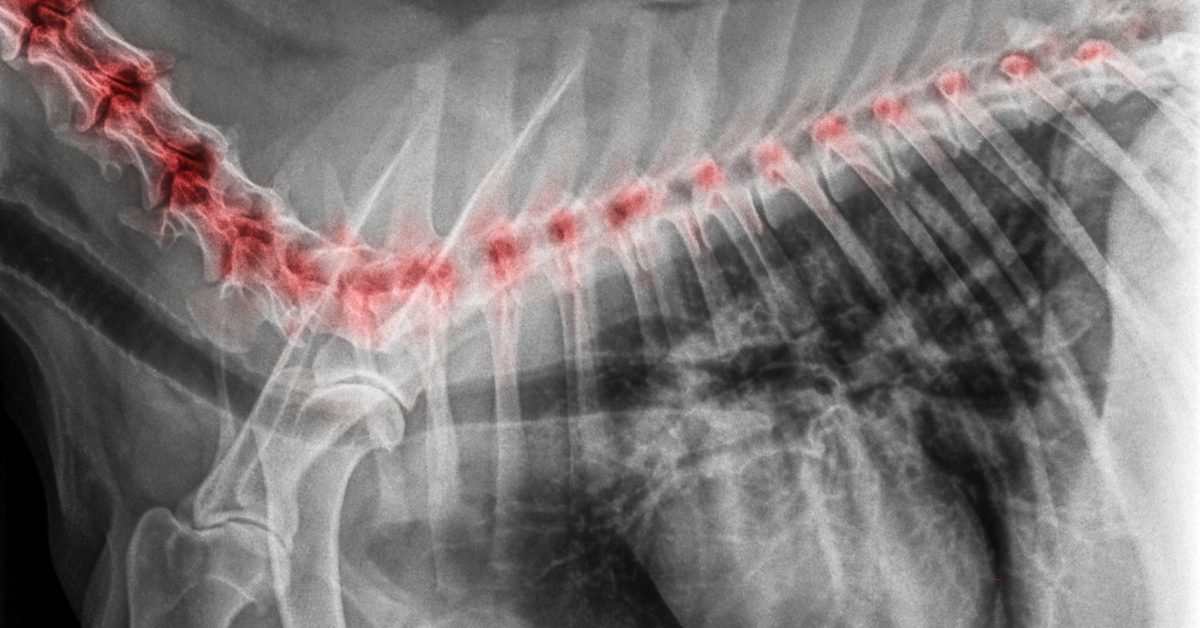
Understanding Intervertebral Disc Disease in Dogs
A dog’s spine contains small cushioning discs located between each vertebra. These discs help absorb shock, support movement, and protect the spinal cord. Each disc has two main parts:
- Outer layer (annulus fibrosus): A tough, fibrous outer ring that holds the disc together
- Inner center (nucleus pulposus): A softer, gel-like center that helps absorb pressure
Over time, these discs can weaken or deteriorate. When this occurs, the disc may bulge or rupture. Because the spinal cord runs through a narrow canal within the vertebrae, any disc material pressing into this space can place pressure on the spinal cord. This pressure leads to pain, nerve dysfunction, and reduced mobility. In more serious cases, dogs may lose the ability to move or control their bladder or bowels.
Two Main Forms of IVDD
Veterinarians generally recognize two primary patterns of intervertebral disc disease in dogs. These forms differ in how the disc deteriorates and which breeds tend to develop the condition.
Type I IVDD: Sudden Disc Herniation
Type I IVDD often affects smaller dogs with long backs and shorter legs. Breeds commonly associated with this form include:
- Dachshunds
- Corgis
- Basset Hounds
- Shih Tzus
- Lhasa Apsos
- Chihuahuas
- French Bulldogs
- Beagles
- Toy Poodles
With this form, the inner portion of the disc pushes through a tear in the outer layer. The rupture may occur suddenly, leading to rapid spinal cord compression. Dogs with Type I IVDD may show abrupt signs, such as sudden pain, difficulty walking, or paralysis.
Type II IVDD: Gradual Disc Degeneration
Type II IVDD tends to appear in larger breeds, including:
- Labrador Retrievers
- Doberman Pinschers
- German Shepherds
In these dogs, the disc slowly thickens and bulges outward rather than rupturing. This gradual change places increasing pressure on the spinal cord. Symptoms often develop slowly over time, and pain may be less dramatic in the early stages.
Signs of Intervertebral Disc Disease
The symptoms associated with IVDD vary depending on the location of the affected disc and the amount of pressure placed on the spinal cord. Some dogs develop symptoms suddenly, while others show gradual changes.
Common signs include:
- Lowering the head or reluctance to lift the neck
- A hunched or stiff posture
- Avoiding jumping, stairs, or normal play
- Crying, panting, or trembling from discomfort
- Hesitation to move or walk
- Weakness in the legs
- Difficulty maintaining balance
- Dragging or knuckling of the paws
- Loss of coordination
- Partial or complete paralysis
- Loss of bladder or bowel control
Any dog showing these symptoms should receive veterinary attention promptly. Early evaluation may help limit further spinal damage and improve the chances of recovery.
How Veterinarians Diagnose IVDD
Diagnosing spinal disorders requires a combination of clinical evaluation and imaging. At At Home Animal Clinic in Stillwater, veterinarians begin with a detailed exam and may recommend further testing depending on the severity of symptoms.
Physical and Neurologic Examination
A thorough exam helps determine where the problem is located along the spine. During this evaluation, the veterinarian may:
- Assess reflexes and nerve responses
- Evaluate coordination and limb strength
- Identify areas of spinal pain
- Observe posture and gait
These findings help guide further diagnostic decisions.
X-Rays (Radiographs)
X-rays can reveal changes in the vertebrae or disc spaces that suggest disc degeneration. Radiographs may also help rule out other causes of spinal pain, such as:
- Bone tumors
- Infections
- Fractures
However, the spinal cord itself does not appear on X-rays, so additional imaging may be needed for confirmation.
MRI (Magnetic Resonance Imaging)
MRI scans provide detailed images of the spine, spinal cord, and surrounding structures. This advanced imaging technique allows veterinarians to:
- Identify the exact location of disc damage
- Determine the severity of spinal cord compression
- Plan surgical treatment when needed
MRI remains the most reliable method for confirming IVDD.
Treatment Approaches for Dogs With IVDD
The best treatment approach depends on the severity of symptoms, the location of the affected disc, and how quickly care begins. Some dogs respond well to conservative care, while others require surgery to relieve spinal cord pressure.
Anti-Inflammatory Medications
Reducing inflammation around the spinal cord can help relieve pain and improve nerve function. Veterinarians may prescribe medications such as:
- Carprofen
- Deracoxib
- Meloxicam
In certain situations, corticosteroids like prednisone may be recommended to reduce swelling and inflammation.
Pain Relief and Muscle Relaxation
Dogs experiencing nerve-related pain may benefit from medications designed to target nerve discomfort. Treatment plans may include:
- Gabapentin to address nerve pain
- Muscle relaxants such as methocarbamol
- Additional pain relief medications when discomfort is severe
These medications help dogs remain comfortable while the spine heals.
Strict Activity Restriction
Limiting movement is an important part of conservative IVDD treatment. Rest reduces strain on the spine and allows injured discs to stabilize. Veterinarians often recommend:
- Confinement to a crate or small padded area
- Carrying the dog outside for bathroom breaks
- Avoiding running, jumping, or stair climbing
The initial rest period typically lasts about four weeks, with gradual increases in activity afterward.
Rehabilitation and Acupuncture
Rehabilitation therapies can support recovery by strengthening muscles and improving mobility.
Supportive therapies may include physical therapy exercises that restore strength and coordination or acupuncture treatments that help reduce pain and support the body’s natural healing processes. Dogs receiving rehabilitation therapy often regain function and comfort more efficiently.
Surgical Treatment
Surgery may be recommended for dogs with severe symptoms, especially those experiencing paralysis or significant spinal cord compression. During surgery, a veterinary surgeon removes the disc material pressing against the spinal cord. This procedure relieves pressure and allows the spinal cord to recover. Prompt surgical treatment can greatly improve the likelihood of restoring mobility.
Recovery and Long-Term Outlook
The outlook for dogs with IVDD varies depending on several factors, including:
- Severity of neurological symptoms
- Location of the disc injury
- Speed of diagnosis and treatment
- Response to therapy
Dogs with mild symptoms that receive care early often recover well with medication and rest. More severe cases require advanced treatment. Dogs experiencing paralysis have a better chance of regaining function when surgery occurs quickly after symptoms appear. Although IVDD is a degenerative condition, many dogs continue to enjoy active lives with appropriate treatment and long-term management. In situations where full mobility does not return, mobility aids such as dog wheelchairs may allow dogs to remain active and comfortable.
Veterinary Care for Dogs With Back Pain in Stillwater, MN
Spinal pain can develop quickly and should never be ignored. If your dog shows signs of back discomfort, weakness, or difficulty walking, prompt veterinary care is recommended. At At Home Animal Clinic in Stillwater, MN, our team evaluates neurological and orthopedic concerns and helps pet owners understand the available treatment options. Early care gives dogs the best opportunity for relief and recovery. If you have concerns about your dog’s mobility or notice sudden changes in their movement, contact our clinic to schedule an evaluation.
Recent Posts
About Us
At Home Animal Clinic has been a quiet constant in the Stillwater, MN community for decades, a place where families and their pets feel seen, heard, and cared for. But our story isn’t just about how long we’ve been here. It’s about how we’ve grown alongside the families we serve, and how we've stayed committed to delivering the kind of care that makes a lasting difference.